
Call center : 028 3622 9909 ( free ) - Customer care: 094 833 8155


140/28/35, Vuon Lai Street, An Phu Dong Ward, Ho Chi Minh City
Hotline: 096 616 5029
140/28/35, Vuon Lai Street, An Phu Dong Ward, Ho Chi Minh City



| Code | : |
| Stock | : In stock |
| Guarantee | : years |
| Price | : Contact |
| View | : 958 |
Address: 140/28/35, Vuon Lai Street, An Phu Dong Ward, Ho Chi Minh City
Hotline: 0966165029 - Mr. Tài
Email: [email protected]
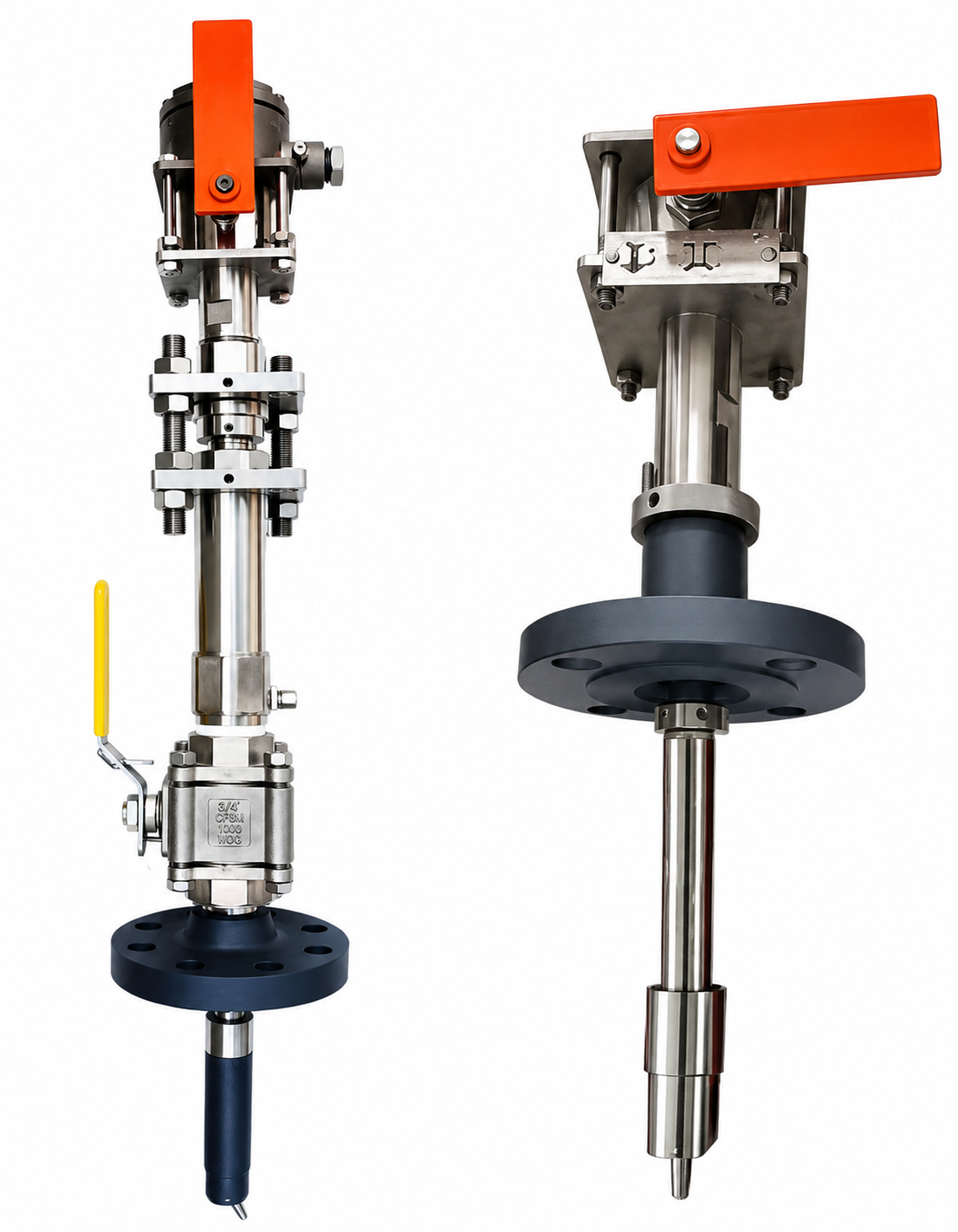
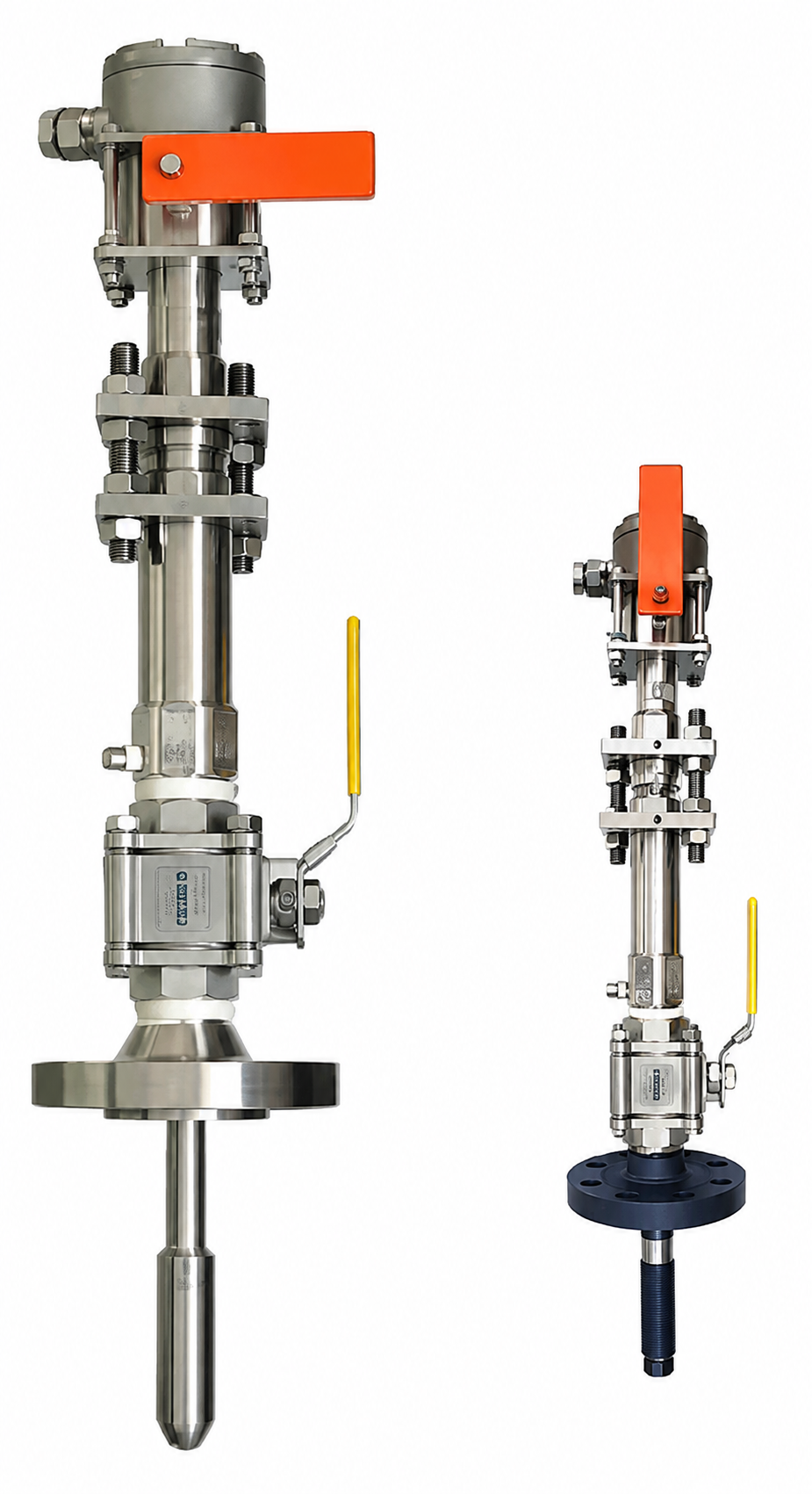
A pig passage indicator (also called a pig signaller) is a monitoring device installed directly on the pipeline. Its main function is to confirm that a pig has passed a specific location or has arrived at the pig receiver. This device allows operators to track the pig’s movement inside the closed pipeline, avoiding guesswork or losing track of the pig in long-distance pipelines.
| Feature | Technical Details |
|---|---|
| Body Material | Carbon steel (A105), stainless steel 304/316 |
| Trigger Arm Material | Stainless steel 316, high-strength and corrosion-resistant |
| Display Type | Mechanical flag (manual reset) or electrical signal light |
| Connection Type | Welded directly to pipe, flanged, or threaded |
| Protection Rating | IP66/IP67, explosion-proof (Ex d IIB T4) for electrical types |
| Working Pressure | Compatible with pipeline ratings (PN16 to Class 1500) |
Pigging operations involve risks, and pig signallers are essential safety tools:


