
Call center : 028 3622 9909 ( free ) - Customer care: 094 833 8155


140/28/35, Vuon Lai Street, An Phu Dong Ward, Ho Chi Minh City
Hotline: 096 616 5029
140/28/35, Vuon Lai Street, An Phu Dong Ward, Ho Chi Minh City

| Code | : |
| Stock | : In stock |
| Guarantee | : 2 years |
| Price | : Contact |
| View | : 366 |
Address: 140/28/35, Vuon Lai Street, An Phu Dong Ward, Ho Chi Minh City
Hotline: 0966165029 - Mr. Tài
Email: [email protected]
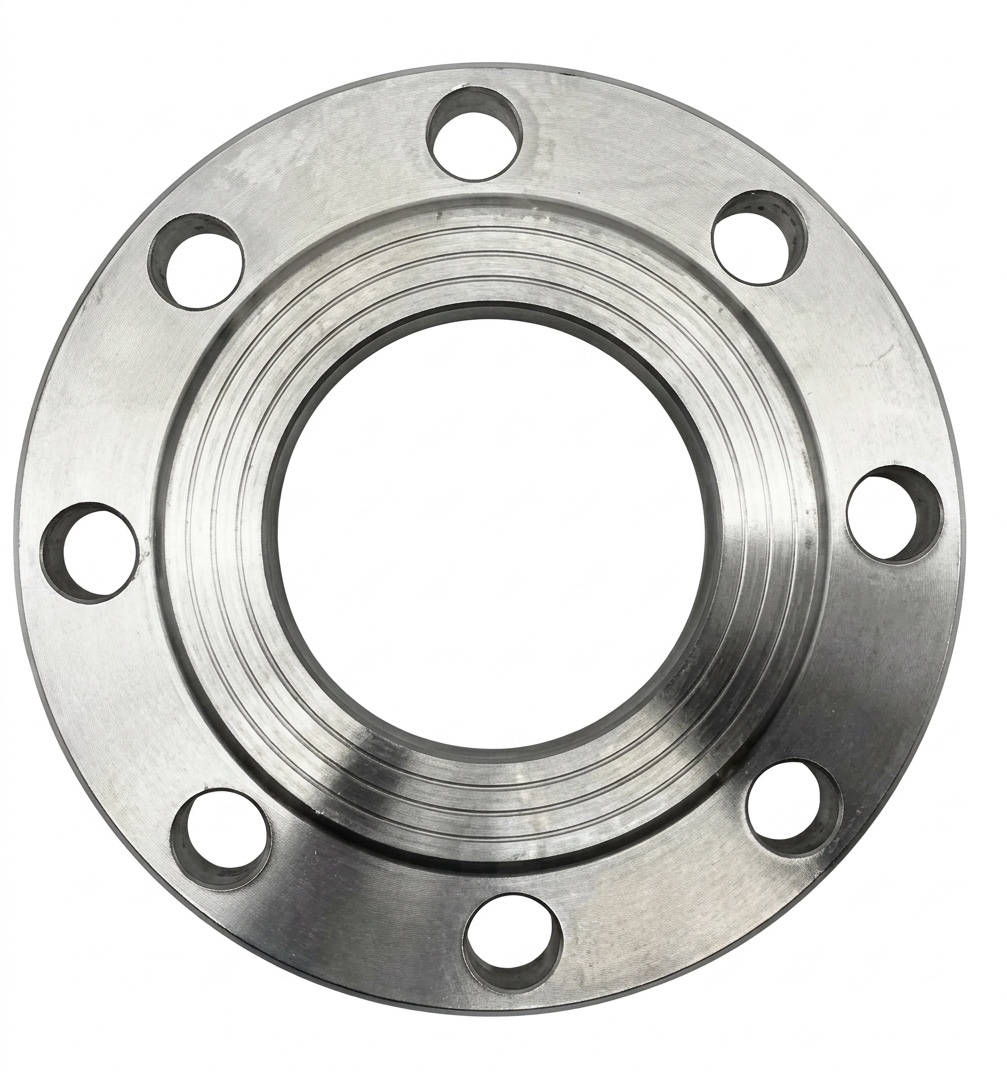
A flange is a metal ring (steel or stainless steel) with bolt holes, attached to the pipe end by welding or threading. When connected, two flange faces compress a gasket in between, forming a completely sealed system capable of withstanding high pressure.
| Feature | Technical Details |
|---|---|
| Material | Carbon steel (A105, Q235), galvanized steel, stainless steel 304/316 |
| Standards | ANSI/ASME (USA), JIS (Japan), DIN (Germany), BS (UK) |
| Pressure Ratings | PN10, PN16 (JIS 10K, 16K) or Class 150, 300, 600… |
| Size | DN15 to DN1000 |
| Face Types | Flat Face (FF), Raised Face (RF) |


