
Call center : 028 3622 9909 ( free ) - Customer care: 094 833 8155


140/28/35, Vuon Lai Street, An Phu Dong Ward, Ho Chi Minh City
Hotline: 096 616 5029
140/28/35, Vuon Lai Street, An Phu Dong Ward, Ho Chi Minh City

| Code | : |
| Stock | : In stock |
| Guarantee | : 2 years |
| Price | : Contact |
| View | : 430 |
Address: 140/28/35, Vuon Lai Street, An Phu Dong Ward, Ho Chi Minh City
Hotline: 0966165029 - Mr. Tài
Email: [email protected]
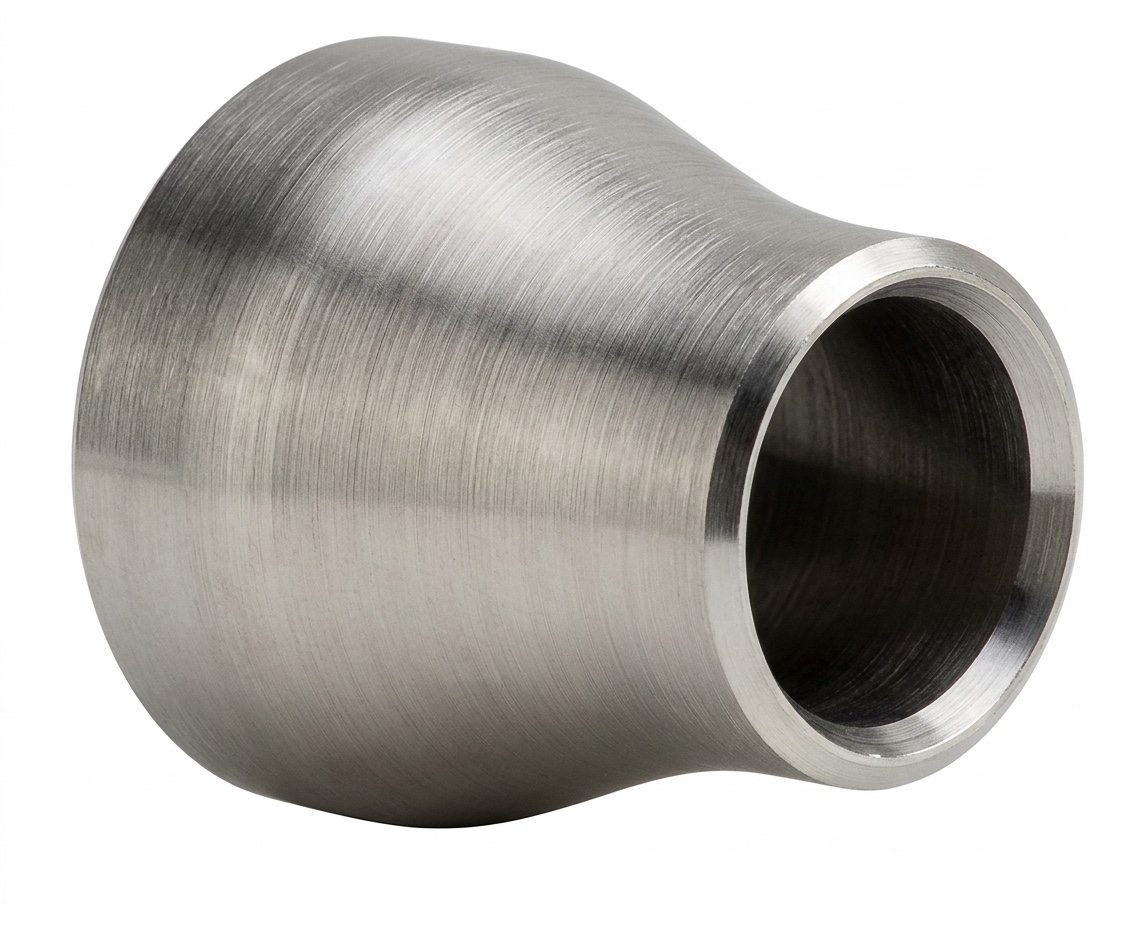
A concentric reducer (also called a concentric pipe reducer) is a truncated cone-shaped fitting used to connect two pipelines of different diameters so that their centerlines remain aligned. This is the standard solution for increasing or decreasing flow velocity in a system.
| Feature | Technical Details |
|---|---|
| Material | Carbon steel (ASTM A234 WPB), stainless steel 304/316, galvanized steel |
| Thickness (Schedule) | SCH20, SCH40, SCH80… (matching the pipe schedule) |
| Size | Wide range, from DN20x15 up to DN1000x900 |
| Connection Type | Butt-weld |
| Standards | ASME/ANSI B16.9, JIS, DIN |
Customers should note the correct installation positions:


