
Call center : 028 3622 9909 ( free ) - Customer care: 094 833 8155


140/28/35, Vuon Lai Street, An Phu Dong Ward, Ho Chi Minh City
Hotline: 096 616 5029
140/28/35, Vuon Lai Street, An Phu Dong Ward, Ho Chi Minh City

| Code | : |
| Stock | : In stock |
| Guarantee | : 2 years |
| Price | : Contact |
| View | : 368 |
Address: 140/28/35, Vuon Lai Street, An Phu Dong Ward, Ho Chi Minh City
Hotline: 0966165029 - Mr. Tài
Email: [email protected]
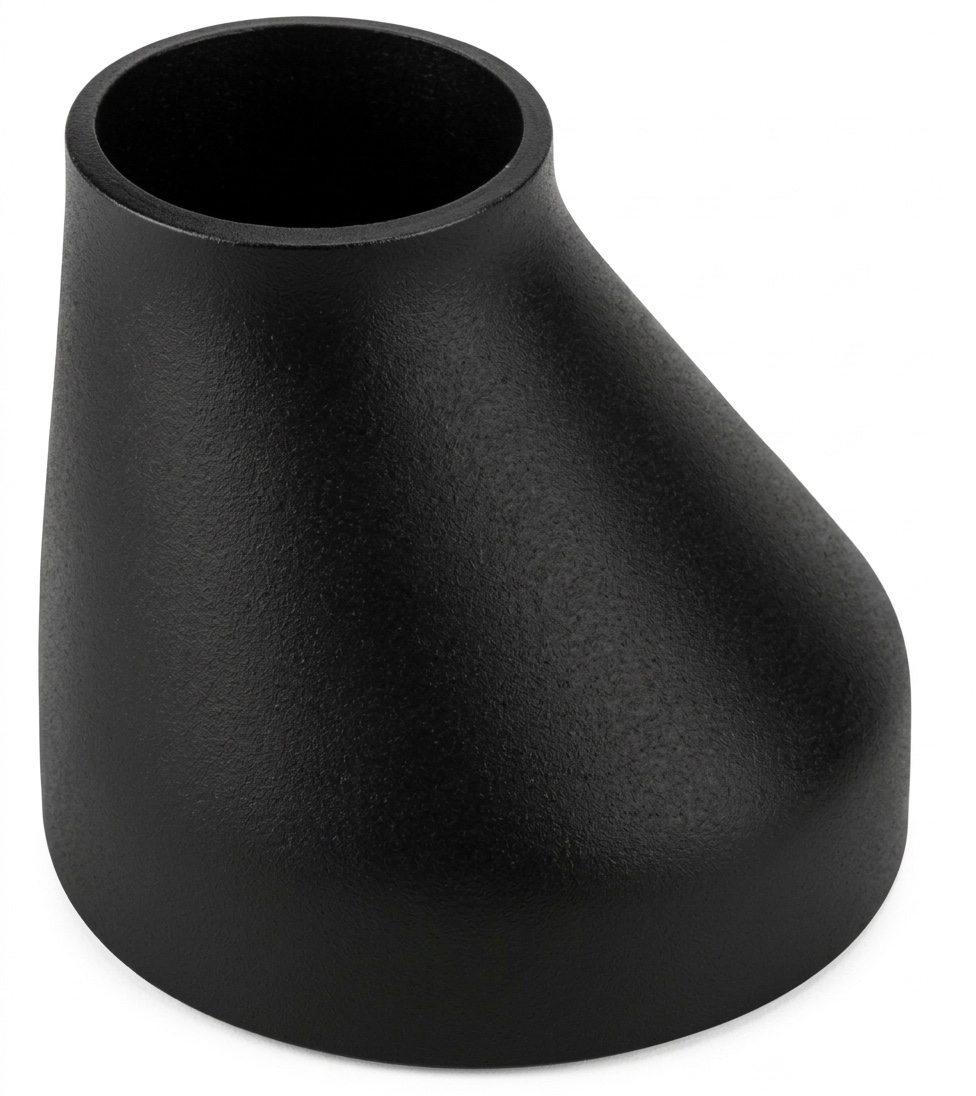
An eccentric reducer is a pipe fitting used to connect two pipelines of different diameters. The distinctive feature of this type is that one side remains flat while the other side tapers down. This design prevents the formation of air pockets inside the pipeline, a common issue with concentric reducers.
| Feature | Technical Details |
|---|---|
| Material | Carbon steel (ASTM A234 WPB), stainless steel 304/316, or galvanized steel |
| Thickness (Schedule) | SCH20, SCH40, SCH80… (must match pipe schedule) |
| Size | From DN20x15 up to large sizes like DN500x400 |
| Connection Type | Butt-weld |
| Standards | ASME/ANSI B16.9, JIS, DIN |
This is critical technical knowledge to convince customers:


