
Call center : 028 3622 9909 ( free ) - Customer care: 094 833 8155


140/28/35, Vuon Lai Street, An Phu Dong Ward, Ho Chi Minh City
Hotline: 096 616 5029
140/28/35, Vuon Lai Street, An Phu Dong Ward, Ho Chi Minh City

| Code | : |
| Stock | : In stock |
| Guarantee | : 2 years |
| Price | : Contact |
| View | : 1650 |
Address: 140/28/35, Vuon Lai Street, An Phu Dong Ward, Ho Chi Minh City
Hotline: 0966165029 - Mr. Tài
Email: [email protected]
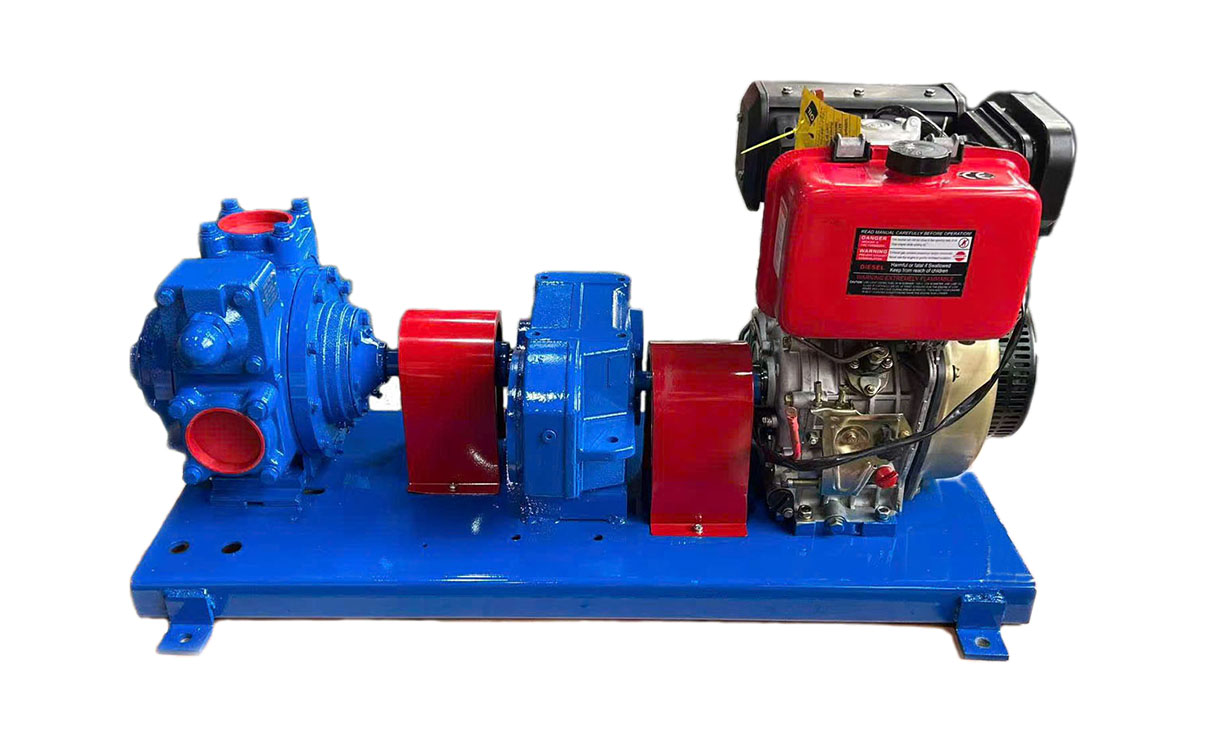
A vane pump is a positive displacement hydraulic pump that uses rotating vanes inside a rotor to draw in and discharge liquid, creating a stable flow. It generates a pressure difference between the suction and discharge chambers by changing the volume of the compartments formed by the vanes during rotation.
A diesel engine is an internal combustion engine that uses diesel fuel. It operates by compressing air inside the cylinder to extremely high pressure and temperature, then injecting diesel fuel into the combustion chamber. The fuel ignites spontaneously without the need for spark plugs, unlike gasoline engines.


