
Call center : 028 3622 9909 ( free ) - Customer care: 094 833 8155


140/28/35, Vuon Lai Street, An Phu Dong Ward, Ho Chi Minh City
Hotline: 096 616 5029
140/28/35, Vuon Lai Street, An Phu Dong Ward, Ho Chi Minh City

| Code | : |
| Stock | : In stock |
| Guarantee | : 2 years |
| Price | : Contact |
| View | : 366 |
Address: 140/28/35, Vuon Lai Street, An Phu Dong Ward, Ho Chi Minh City
Hotline: 0966165029 - Mr. Tài
Email: [email protected]
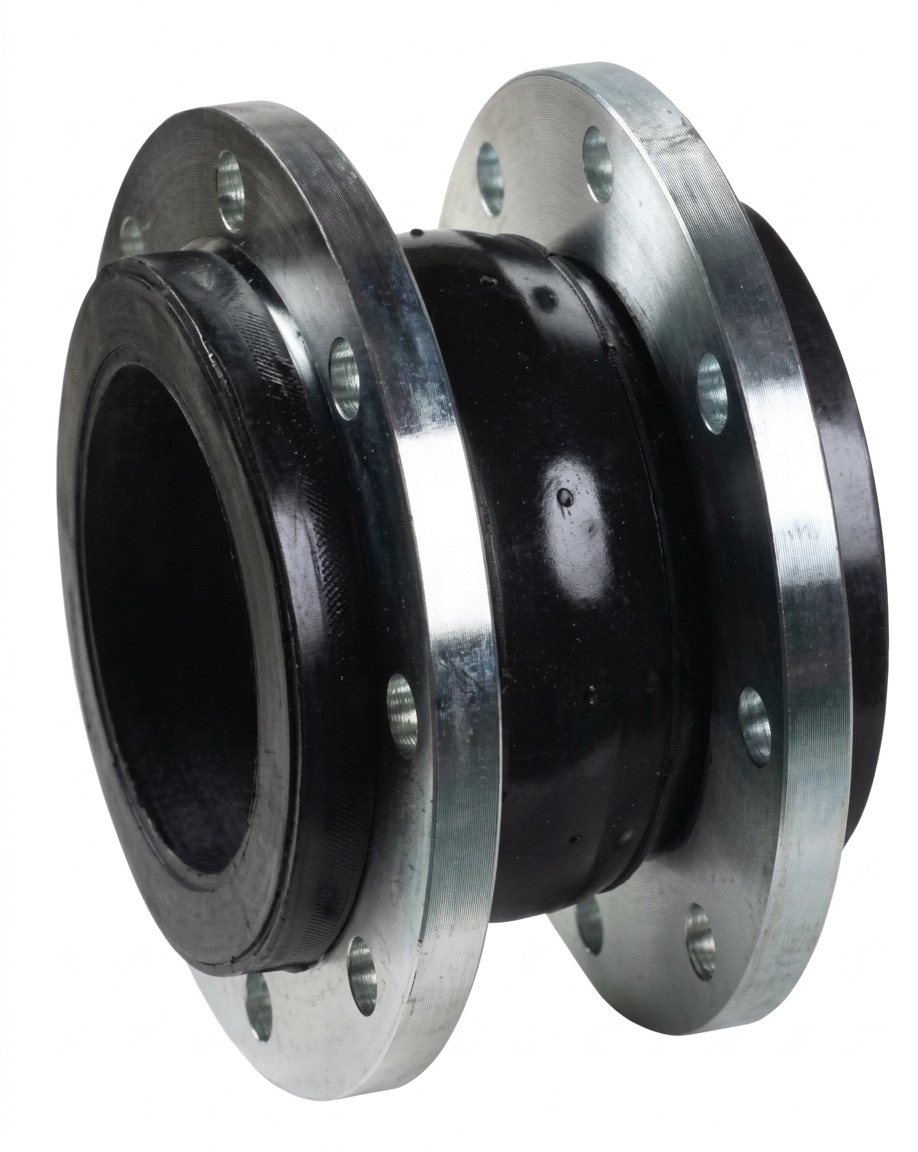
An anti-vibration joint is an elastic expansion device installed between pumps and piping systems. Its core function is to absorb mechanical vibrations generated during pump operation, while compensating for thermal expansion and misalignment between pipe sections. It acts as a “shield” that prevents weld cracks, bolt loosening, and pump seal damage.
| Feature | Technical Details |
|---|---|
| Bellows Material | NBR rubber (for fuel) or EPDM rubber (for water) |
| Reinforcement | Multi-layer steel mesh or synthetic nylon fabric inside the bellows |
| Flange Material | Galvanized steel or stainless steel 304/316 |
| Connection Standard | JIS 10K, ANSI Class 150, PN10/PN16 |
| Size | DN25 (1″) to DN600 (24″) |
| Working Pressure | 10 bar, 16 bar |
In fuel systems, directly connecting rigid pipes to pumps often leads to serious consequences:


