
Call center : 028 3622 9909 ( free ) - Customer care: 094 833 8155


140/28/35, Vuon Lai Street, An Phu Dong Ward, Ho Chi Minh City
Hotline: 096 616 5029
140/28/35, Vuon Lai Street, An Phu Dong Ward, Ho Chi Minh City


| Code | : 540 |
| Stock | : In stock |
| Guarantee | : 0 years |
| Price | : Contact |
| View | : 7988 |
Address: 140/28/35, Vuon Lai Street, An Phu Dong Ward, Ho Chi Minh City
Hotline: 0966165029 - Mr. Tài
Email: [email protected]
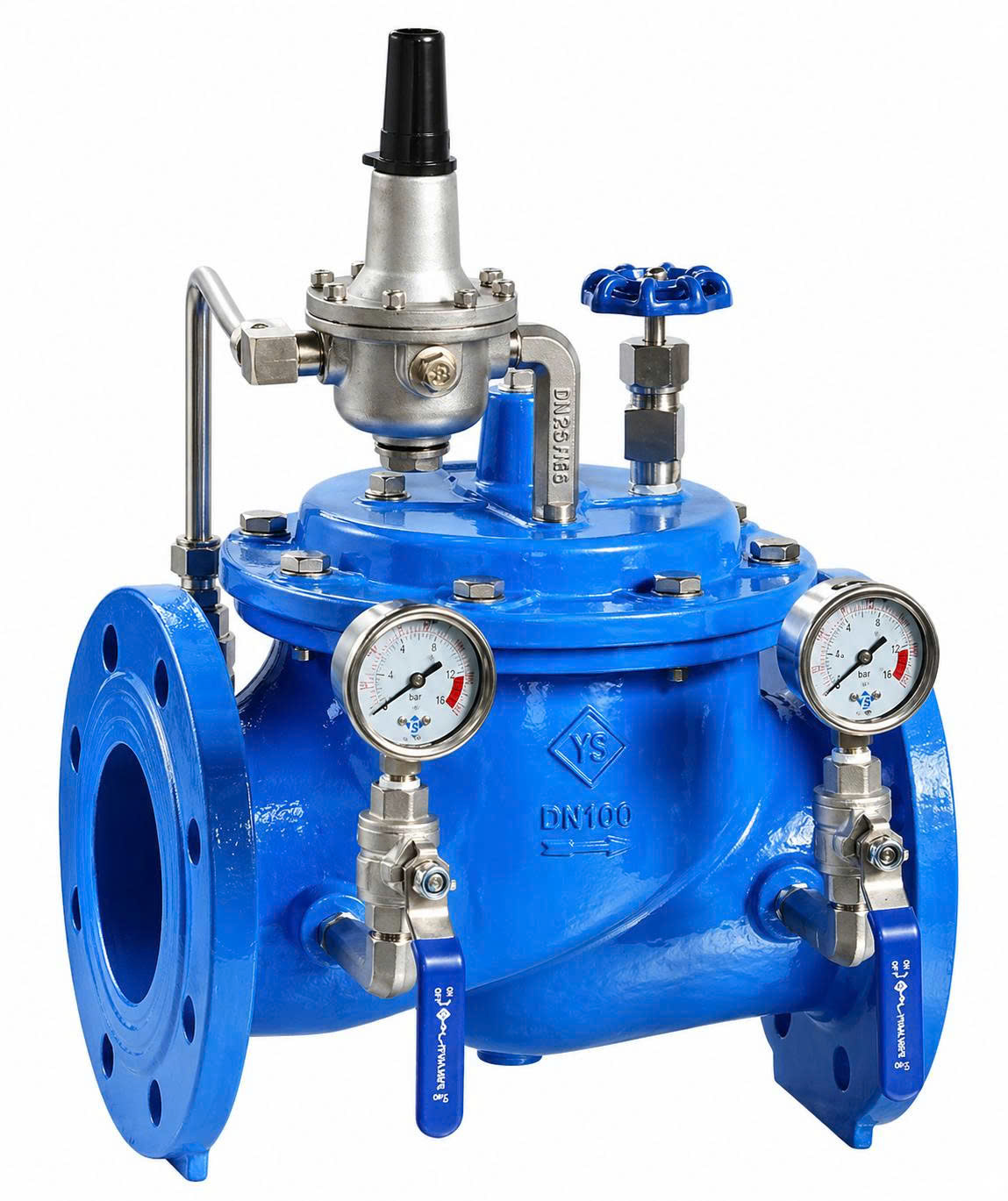
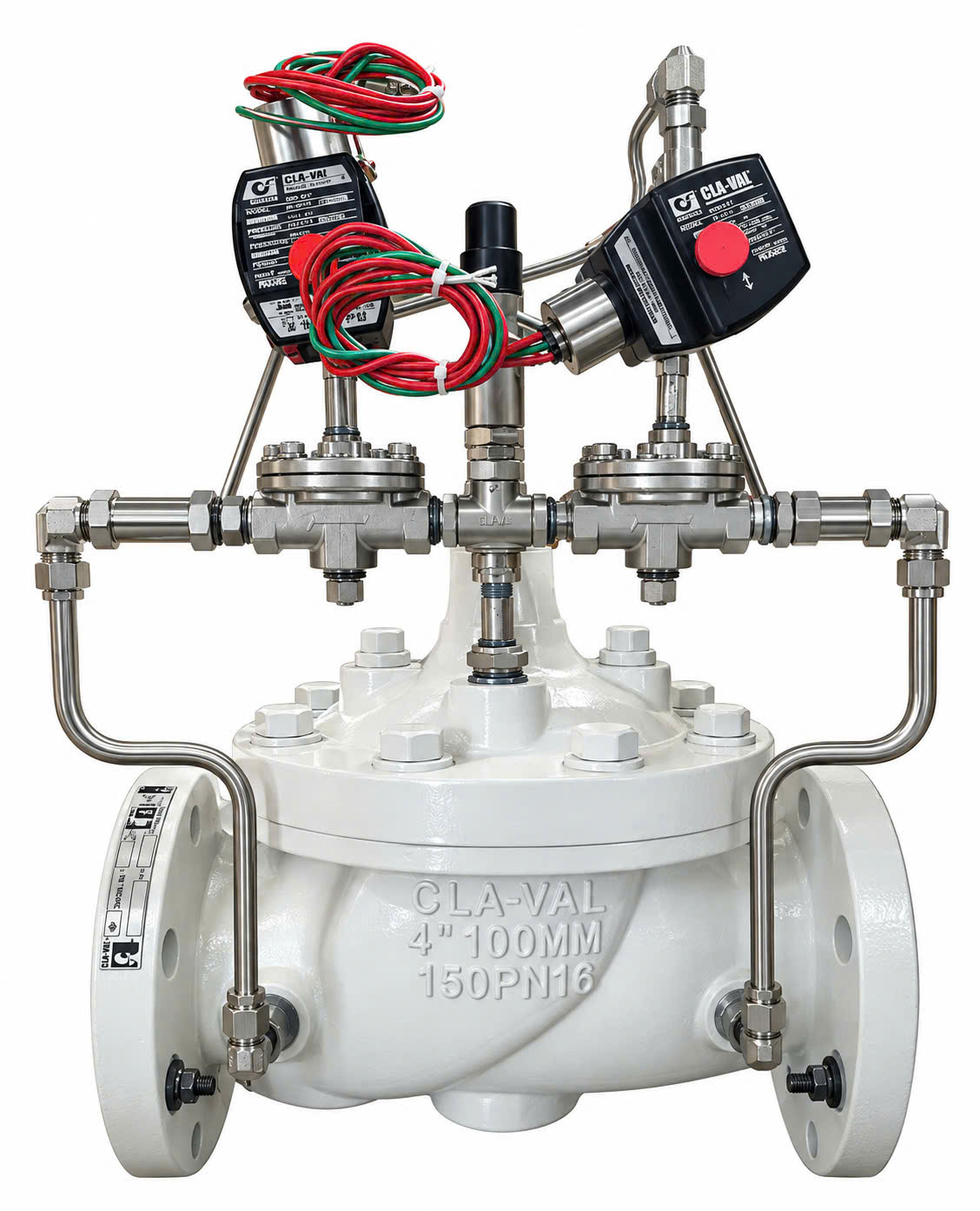
The Electric Control Valve is a hydraulically operated valve controlled by electrical signals (Solenoid). It is a key device in automatic loading systems, working in coordination with flow controllers (such as Multiload II) to open/close the flow with milliliter-level precision, preventing tank overflow and mass measurement errors.
| Feature | Technical Details |
|---|---|
| Body material | Cast steel, ductile iron, or stainless steel |
| Operation type | Hydraulic, assisted by solenoid |
| Control voltage | 110V/220V AC or 24V DC |
| Explosion-proof standard | Class I, Div 1, Group C & D (ATEX/IECEx) |
| Size | DN50 (2″) to DN150 (6″) |
| Working pressure | Up to 10 bar, 16 bar, or Class 150/300 |
| Connection type | Flange (ANSI, JIS, DIN) |
Unlike conventional shut-off valves, the electric control valve provides highly sophisticated flow control:


